Gut Health And Chronic Illness: The Complete Guide For Spoonies

If you live with chronic illness, you have probably heard people say “it all starts in the gut.” When your gut health is off, you might notice more pain, more flares, more brain fog, and more fatigue. As a result, it can feel like your whole body is out of balance.
Gut health is about the balance and function of the bacteria and other tiny organisms living in your digestive system. These gut microbes help break down food, support your immune system, and even talk to your brain. When that system is working well, you are more likely to feel steady. When it is not, everything from your mood to your skin can start to complain.
In this complete guide, we will walk through what gut health is, why it matters so much for chronic illness, signs of an unhealthy gut, and simple ways to support a calmer, more stable digestive system as a spoonie.
What Is Gut Health?
What Is Gut Health?
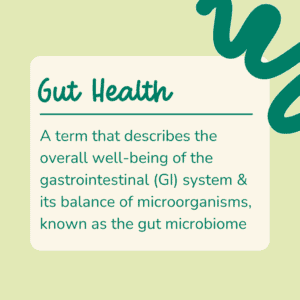
Gut health is not just about having a “strong stomach.” Johns Hopkins Medicine and Harvard Health describe it as the balance and function of the gut microbiome, which is the community of bacteria, viruses, and fungi that live in your digestive tract.
A healthy gut usually means:
- A diverse mix of good gut bacteria
- A gut lining that is not too irritated or inflamed
- Good communication between the gut, immune system, and brain
In other words, your digestive system is working together with the rest of your body instead of fighting against it.
Why Gut Health Is Important
Your gut is home to trillions of microbes. Harvard Health explains that this gut microbiome affects digestion, immunity, inflammation, and even mood.
In addition, the Cleveland Clinic notes that imbalances in gut flora are linked to several chronic conditions, such as autoimmune diseases, type 2 diabetes, irritable bowel syndrome (IBS), inflammatory bowel disease (IBD), and depression.
Gut Health And Digestion
First, your gut helps you break down food and absorb nutrients. When this system is off, you might have:
- Bloating or gas after meals
- Diarrhoea, constipation, or swings between both
- Stomach pain or cramping
- Trouble digesting certain foods
Over time, poor digestion can also affect how well you absorb vitamins and minerals, which can then affect your energy, mood, and immune system. As a result, even “mild” gut issues can feel huge in day to day life.
Gut Health And The Immune System
A large part of your immune system lives in your gut. Harvard Health and the NIH explain that gut microbes help train the immune system to tell the difference between safe and unsafe signals.
When the gut is in balance, your immune system can respond in a more steady way. When the gut is out of balance, it may send more “danger” signals, which can:
- Increase inflammation
- Make autoimmune activity more likely or more intense
- Affect how your body responds to infections
In other words, your gut is not just a digestion station. It is also a major control centre for how your immune system behaves.
Gut Health, Inflammation, And Chronic Illness
Chronic inflammation is a big part of many long term conditions. The NIH notes that gut dysbiosis, which means an imbalance of gut microbes, can play a role in autoimmune diseases, metabolic conditions like diabetes, and even some neurological symptoms.
For spoonies, this means that supporting your digestive health can sometimes help calm at least one part of the inflammation puzzle, even if it does not fix everything. In practical terms, it is one lever you can gently pull, alongside medication, pacing, and other treatments.
Gut Health And Mental Health
You might have heard of the gut brain connection. Signals travel between your gut and your brain through nerves, hormones, and immune messengers. Harvard Health describes this as a “two way street” where stress can affect the gut, and changes in the gut can affect mood.
Research links the state of your gut with:
- Depression
- Anxiety
- Stress responses
- Brain fog
This does not mean digestive health is the only cause of mental health symptoms. However, it does mean that a healthier gut can sometimes support a steadier mood and clearer thinking, alongside therapy, medication, and other treatments. In addition, understanding this connection can make it easier to be kind to yourself on days when both your stomach and your feelings are flaring at the same time.
Signs Of An Unhealthy Gut
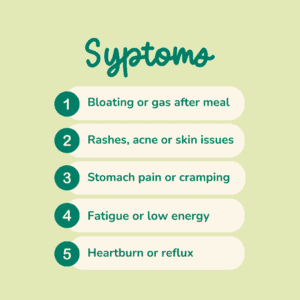
Gut health is not just about bathroom habits, although those do matter. Johns Hopkins Medicine points out that gut problems can show up in many different ways. Because your gut talks to the rest of your body, the signs can be surprisingly wide ranging.
Digestive Signs
Some common digestive signs of an unhappy gut include:
- Bloating or gas after meals
- Diarrhoea, constipation, or swings between both
- Stomach pain or cramping
- Heartburn or reflux
- Feeling full very quickly
Whole-Body Signs
Because the gut talks to the rest of the body, you might also notice:
- Fatigue or low energy
- Trouble sleeping or poor sleep quality
- Skin irritation, such as rashes or acne
- Food intolerances or feeling “off” after certain foods
- Frequent infections or getting sick often
- Mood changes, such as feeling more anxious or low
None of these signs prove that gut health is the only problem. However, if several of them show up together, it can be a clue that your gut needs some extra care. In that case, it is worth bringing up with your doctor.
How Gut Health Impacts Chronic Illness
Researchers call it gut dysbiosis when the balance of gut microbes is off. The NIH notes that dysbiosis can play a role in autoimmunity, inflammation, and even some neurological symptoms.
Autoimmunity And Gut Health
In autoimmune diseases, the immune system attacks the body’s own tissues. Some research suggests that changes in gut bacteria and gut lining may influence how likely autoimmunity is to start or flare.
Conditions often discussed in this context include:
- Inflammatory bowel disease (IBD)
- Rheumatoid arthritis
- Type 1 diabetes
- Some thyroid conditions
Again, digestive health is one factor among many. It is not the cause of every flare, but it can be part of a bigger picture.
Gut Health And Conditions Like IBS, ME/CFS, And Fibromyalgia
Harvard Health and other sources note that people with IBS, ME/CFS, and fibromyalgia often report both gut symptoms and whole-body symptoms, such as pain, fatigue, and brain fog.
In these conditions, the state of your gut may affect:
- How sensitive the gut is to normal signals
- How the nervous system processes pain
- How the immune system responds to stressors
For spoonies, this can mean that when digestion is more stable, flares might feel a little less intense or less frequent, even if they do not disappear. Over time, even small improvements can add up.
Gut Health And Long Covid
The NIH has highlighted that some people with Long Covid show changes in their gut microbiome. These changes may be linked with ongoing symptoms like fatigue, brain fog, and digestive issues.
If you are living with Long Covid, gentle gut support can be one area to explore with your healthcare team, alongside other treatments. It is not a cure, but it can be one more supportive tool.
How To Improve Gut Health As A Spoonie
There is no single perfect gut health diet that works for everyone. However, the Cleveland Clinic and Johns Hopkins Medicine suggest some general steps that can help most people support a healthier gut microbiome. Think of these as gentle options to test, not strict rules.
Food To Support A Healthy Gut
In general, your gut microbes like variety and fibre. Some ideas to support digestion include:
- Fibre rich foods: vegetables, fruits, beans, lentils, oats, and whole grains (if you tolerate them).
- Fermented foods: yogurt with live cultures, kefir, kimchi, sauerkraut, miso, or tempeh.
- Prebiotic foods: onions, garlic, leeks, asparagus, bananas, and oats can help feed good gut bacteria.
- Healthy fats: olive oil, nuts, seeds, and fatty fish can support gut and heart health.
If you have food intolerances, IBS, IBD, or other gut conditions, you may need to adjust these ideas with a dietitian or doctor. A “healthy gut” does not mean forcing yourself to eat foods that clearly make you worse. Instead, it means finding the best-for-your-body foods that you can actually tolerate.
Food To Be Careful With
For some people, certain foods can make gut symptoms worse. For example, you might notice more problems with:
- Very processed foods with lots of additives
- Sugary drinks and snacks that cause big blood sugar swings
- Large amounts of alcohol
- Foods you know you do not tolerate well
This does not mean you can never have these foods again. Instead, it means noticing how often they show up and how your body responds, then making choices that protect your spoons where you can.
How To Increase Good Bacteria In The Gut Naturally
If you want to increase good gut bacteria in a natural way, you can:
- Add small amounts of fermented foods you enjoy
- Include prebiotic foods that feed good gut bacteria
- Eat a range of plant foods over the week, not just the same two vegetables
- Limit unnecessary antibiotics and always follow your doctor’s advice when they are needed
These steps can support your microbiome over time. They are not a quick fix, but they can gently shift your gut environment in a kinder direction.
Lifestyle Habits That Help Gut Health
Gut health is not only about what you eat. Johns Hopkins Medicine highlights lifestyle habits that can support a healthier gut environment:
- Sleep: Aim for a steady sleep schedule as much as your illness allows.
- Movement: Gentle movement, such as walking or stretching, can help digestion and mood.
- Stress reduction: Stress can affect gut motility and gut bacteria, so small calming practices can help.
- Antibiotics: Use antibiotics only when needed and as prescribed, since they can affect gut flora.
If you have had many rounds of antibiotics, or you live without a gallbladder, it can take time to feel like your digestion is settling again. In the meantime, being kind to yourself as you experiment is just as important as the changes you make.
How To Fix The Gut Microbiome (Realistically)
“Fixing” the gut microbiome sounds big and scary. In real life, it usually looks like small, steady changes over months, not days. For example, you might:
- Add one new gut friendly food at a time and see how you feel
- Swap one ultra processed snack for a more whole food option when you can
- Build a simple bedtime routine to support sleep
- Practice one short stress relief habit, such as breathing exercises, once a day
Over time, these small steps can add up to a more stable gut environment. It is a slow build, not an overnight makeover.
Supplements And Gut Health
The NIH and the National Center for Complementary and Integrative Health (NCCIH) note that probiotics and prebiotics may help some people, but the evidence is mixed and strain specific. That means:
- Not every probiotic helps every person or every condition.
- Some people feel better, others feel no change, and a few feel worse.
Because of this, it is important to:
- Talk to your doctor before starting probiotics or new supplements.
- Start low and go slow, especially if you have a sensitive gut.
- Pay attention to how you feel over several weeks, not just one day.
Overall, supplements can support digestive health, but they are not a magic fix. They work best as one part of a bigger plan that includes food, sleep, movement, and stress care.
The Spoonie Scoop
The Spoonie Scoop
Real Talk
Real Talk

Gut health is a hot topic online, and that can be overwhelming. It can feel like everyone has a “fix your gut in 30 days” plan, a strict list of foods to avoid, or a supplement stack that costs more than your weekly groceries.
If you are living with chronic illness, you already carry a lot. The last thing you need is more guilt every time you eat something that is not on a perfect gut health list.
Here is the honest truth. Digestive health matters, but it is only one part of your life. You might not have the money, time, or energy to cook from scratch every day. You might rely on quick meals or safe foods that are not “ideal” but keep you fed. That does not make you a failure. It makes you human.
You are allowed to:
- Start small, with one or two changes at a time
- Choose the best options that fit your budget and energy
- Keep comfort foods that feel safe for you
- Say no to extreme diets that flare your symptoms or your anxiety
- Ask for help with shopping, cooking, or planning when you can
Your worth is not measured by how “perfect” your gut health is. You deserve care, support, and good food even on days when your diet is far from ideal.
Gut health can be a helpful lever, especially for chronic illness. However, it is not a magic cure, and you do not have to fix it all at once. You are allowed to move slowly, listen to your body, and build a way of eating and living that supports both your gut and your mental health.
FAQ
FAQs
Can gut health affect mood, skin, weight, or hair loss?
Yes, gut health can play a role in several of these areas. Harvard Health and other sources note that the gut brain connection means changes in gut bacteria can influence mood and stress responses. Some studies link gut imbalances with higher rates of depression and anxiety.
Skin conditions, such as acne or rashes, can also be linked with inflammation and gut issues in some people. Weight changes and hair loss may be related to nutrition, absorption, hormones, or chronic illness itself, so it is important to talk to a doctor. Gut health is one piece of the picture, not the only cause.
What foods are best for gut health?
In general, foods that support a healthy gut include:
- Fibre rich foods, such as vegetables, fruits, beans, lentils, and whole grains (if tolerated)
- Fermented foods with live cultures, such as yogurt, kefir, kimchi, sauerkraut, miso, or tempeh
- Prebiotic foods that feed good gut bacteria, such as onions, garlic, leeks, asparagus, bananas, and oats
- Healthy fats from olive oil, nuts, seeds, and fatty fish
The Cleveland Clinic and Johns Hopkins Medicine both highlight these types of foods for gut support. However, your “best for gut health” list should still be personalised. In practice, this means that if certain foods trigger flares or pain, it is better to work with a doctor or dietitian to find options that are both gut friendly and spoonie friendly.
What foods are worst for gut health?
There is no single “bad food” list that applies to everyone. However, some foods can be harder on the gut for many people, such as:
- Highly processed foods with lots of additives
- Sugary drinks and snacks that cause big blood sugar swings
- Very greasy or fried foods
- Large amounts of alcohol
For some spoonies, high FODMAP foods, gluten, or dairy may also cause symptoms. On the other hand, some people tolerate these foods well. It is usually best to avoid cutting whole food groups without guidance, especially if you already struggle with appetite, weight loss, or nutrient intake.
Can gut health be restored after antibiotics or gallbladder removal?
Antibiotics can change the gut microbiome by killing both harmful and helpful bacteria. The NIH and Johns Hopkins Medicine note that, over time, gut flora often recovers, especially when supported with:
- A varied, fibre rich diet (as tolerated)
- Fermented foods with live cultures
- Careful use of probiotics, if recommended by your doctor
After gallbladder removal, some people notice changes in digestion, such as loose stools or trouble with high fat meals. In these situations, gentle adjustments, like smaller, more frequent meals and moderate fat intake, can sometimes help. Overall, it is important to work with your healthcare team, since each body responds differently.
Which vitamins or supplements help gut health?
The NIH and NCCIH explain that probiotics and prebiotics may help some people with certain conditions, but results vary. In addition, other nutrients, such as vitamin D or zinc, may also play a role in gut and immune health, especially if you are deficient.
Key points to remember:
- Always check with your doctor before starting new supplements.
- Ask about testing for deficiencies like vitamin B12, iron, or vitamin D.
- Start slowly and watch how your body responds.
Overall, supplements can support digestive health, but they work best alongside food, sleep, movement, and stress care, not instead of them.