
Brain Fog: Causes, Symptoms, And How To Clear Mental Cloudiness

Brain Fog: The Complete Guide For Spoonies
You open your laptop, stare at the screen, and your brain just spins. It feels like you have too many tabs open, everything is lagging, and the page you need will not load. If you live with chronic illness and deal with brain fog, that “buffering” feeling can show up in almost everything you do.
If you have ever described your mind as “foggy,” “cloudy,” or “buffering,” you are not alone. Many spoonies use the term brain fog to describe this frustrating state where thinking, remembering, and focusing all feel harder than they should.
In this guide, we will walk through what brain fog actually is, common symptoms and causes for people with chronic illness, when to talk to a doctor, and simple ways to clear some of that mental cloudiness so you can protect your spoons.
What Is Brain Fog?
What Is Brain Fog?
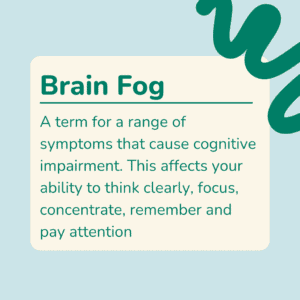
Brain fog is not a formal medical diagnosis. It is a common way people describe changes in thinking, memory, and focus. The Cleveland Clinic explains that brain fog is a form of cognitive dysfunction that can include confusion, forgetfulness, trouble concentrating, and mental cloudiness. Harvard Health describes it as a feeling of “slow thinking” or “fuzzy” thinking that can show up with many different conditions.
In other words, brain fog is a group of symptoms, not a single disease. It can show up on its own or alongside chronic illness, hormonal changes, infections, mental health conditions, or side effects from medication.
Symptoms And Associated Conditions
Common Brain Fog Symptoms
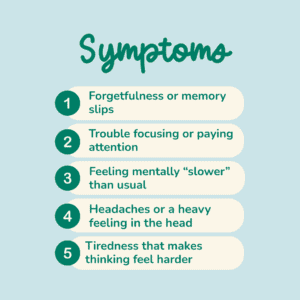
People describe this kind of mental cloudiness in lots of different ways, but some common symptoms include:
- Forgetfulness or memory slips
- Trouble focusing or paying attention
- Feeling mentally “slower” than usual
- Difficulty finding words
- Confusion or feeling “out of it”
- Mental cloudiness or “brain cloudiness”
- Headaches or a heavy feeling in the head
- Tiredness that makes thinking feel harder
The Cleveland Clinic notes that these symptoms can affect work, relationships, and daily tasks. Even simple choices can feel like trying to move while weighed down.
Conditions Linked With Brain Fog
Brain fog can show up with many different health situations. WebMD and other medical sources link these symptoms with:
- Chronic illness and chronic pain
- Hypothyroidism and other thyroid problems
- ADHD and other attention difficulties
- Menopause and hormonal changes
- Vitamin deficiencies, such as vitamin B12
- Long Covid and other infections
- Sleep deprivation and insomnia
- Depression and anxiety
Medication side effects
For some people, this cloudy thinking lasts a few days after an illness or stressful event. For others, especially those with chronic illness, it can hang around for months or years. As a result, many spoonies talk about “brain fog for years” and look for tools to manage it, not just fix it overnight.
Causes Of Brain Fog
Causes Of Brain Fog
Brain fog usually has more than one cause. Healthline and similar sources group the causes into physical, medical, and lifestyle factors.
Physical Causes Of Brain Fog
Some body-based factors that can add to this mental fuzziness include:
- Illness and infections
- Hormonal changes, such as menopause or thyroid shifts
- Nutritional deficiencies, including low vitamin B12
- Dehydration
- Poor sleep or broken sleep
- Ongoing stress and pain
Medical Conditions Linked To Brain Fog
Certain health conditions can also be linked to brain fog, such as:
- Autoimmune diseases
- Hypothyroidism
- Diabetes
- Long Covid
- ADHD
Side effects from some medications
The NIH notes that people with Long Covid often report trouble focusing and memory issues as part of their ongoing symptoms.
Lifestyle Triggers
Lifestyle factors can also make brain fog worse, even if there is an underlying medical issue. Common triggers include:
- A lot of screen time and constant multitasking
- Very little movement or exercise
- Highly processed foods and big blood sugar swings
- Caffeine withdrawal
- Irregular meals or not eating enough
- High stress with very little rest
This does not mean any of this is “your fault.” Instead, it means there are a few areas you and your healthcare team can gently test to see what helps.
How To Diagnose Brain Fog
There is no single “brain fog test.” The Cleveland Clinic explains that doctors usually diagnose this problem by listening to your symptoms, ruling out other conditions, and sometimes ordering blood tests or scans to check for underlying causes.
When To See A Doctor
It is important to talk to a doctor if:
- Brain fog is ongoing or getting worse
- You struggle to do daily tasks you used to manage
- You have other symptoms, such as strong headaches, weakness, or changes in speech
- You have risk factors for dementia or other brain conditions
Mayo Clinic notes that memory problems and confusion can sometimes be early signs of more serious issues, so it is always better to get checked, especially if something feels “off” or different from your usual level of fog.
If you can, bring notes to your appointment. A simple symptom tracker that records when your brain feels cloudy, what you were doing, and any other symptoms can help your doctor see patterns.
How To Support Your Brain And Ease Brain Fog
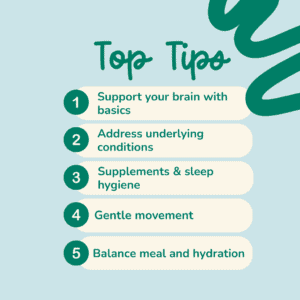
We all wish there were a magic “delete brain fog” button. In reality, most evidence-based strategies focus on gently improving the things that affect how your brain works, such as sleep, food, movement, and stress. Harvard Health and WebMD highlight several practical steps, which we will walk through below.
Support Your Brain With Basics
Some simple but powerful foundations include:
Sleep hygiene: Aim for a regular sleep schedule, a dark and quiet bedroom, and a calming wind-down routine.
Hydration: Even mild dehydration can make your thinking feel more cloudy, so sip water regularly.
Balanced meals: Include protein, healthy fats, and fibre to support steady energy instead of sugar spikes and crashes.
Gentle movement: Light exercise, like walking or stretching, can improve blood flow to the brain and support mood.
Stress management: Practices like breathing exercises, mindfulness, or short breaks during the day can reduce mental overload.
Address Underlying Conditions
If your brain fog is linked to a specific condition, treating that root cause is key. WebMD and NIH resources suggest:
- Checking for vitamin deficiencies, especially vitamin B12
- Testing thyroid function if hypothyroidism is suspected
- Reviewing medications with your doctor to see if side effects include mental fog
- Managing chronic illnesses, such as autoimmune conditions or diabetes, as well as possible
Sometimes small changes, like adjusting the timing of a medication or adding a supplement under medical guidance, can make a real difference.
Supplements And Brain Fog
Research on supplements is still growing. Some studies suggest that B vitamins and Omega-3 fatty acids may support brain health. However, the NIH stresses that you should always talk to a doctor before starting new supplements, especially if you have chronic illness or take other medications.
Think of supplements as one small tool in a bigger toolbox, not something that fixes everything on its own.
The Spoonie Scoop
The Spoonie Scoop

Real Talk
Real Talk

Let us be honest. Brain fog is not just about being a bit forgetful. It can change how you see yourself. When you cannot trust your memory or your focus, it is easy to feel “stupid,” broken, or behind everyone else.
Sometimes you read the same message three times and still do not take it in. On other days, simple words vanish in the middle of a sentence. You can lose track of what you were doing and then feel angry at yourself for “messing up again.”
On top of that, other people often do not see it. From the outside, you might look fine. Inside, your brain feels like an old computer that keeps freezing. That mismatch can be lonely and painful.
Here is the truth. Brain fog is a symptom, not a moral failure. It is your body and brain trying to cope with illness, stress, or overload. Needing notes, alarms, or extra time is not laziness. It is a smart way of adapting.
You have full permission to:
- Write everything down
- Ask people to repeat things
- Take breaks in the middle of tasks
- Say “I cannot hold that in my head right now”
- Choose slower, simpler systems that your brain can handle
You deserve tools and support that fit the brain you have today, not the brain you wish you still had.
Brain fog may still show up. Some days will be rough. That does not mean you are failing. It means you are living with a hard thing and doing your best with the spoons you have.

FAQ
FAQs About Brain Fog
What is brain fog?
Brain fog is a non-medical term people use to describe changes in thinking, memory, and focus. The Cleveland Clinic and Harvard Health explain that it is a form of cognitive dysfunction that can include forgetfulness, confusion, trouble concentrating, and mental cloudiness. It is a symptom group, not a disease on its own, and it often shows up alongside chronic illness, hormonal changes, infections, or medication side effects.
Will brain fog go away?
Sometimes brain fog improves once the trigger is treated, such as recovering from an infection, improving sleep, or correcting a vitamin deficiency. In other cases, especially with long term chronic illness, brain fog may come and go in waves. Working with your doctor to identify causes and gently adjusting sleep, stress, nutrition, and medication can often reduce how strong or how frequent it feels, even if it does not disappear completely.
Can brain fog be cured?
There is no single cure for brain fog because it has many possible causes. For some spoonies, treating a thyroid issue, addressing vitamin B12 deficiency, or changing a medication can make a big difference. For others, especially with conditions like autoimmune disease or Long Covid, the focus is more on management and support than a total cure.
How do you get rid of brain fog?
You probably cannot clear brain fog instantly, but you can often reduce it over time. Medical sources like Harvard Health and WebMD suggest:
Improving sleep hygiene and protecting your rest
Staying hydrated throughout the day
Eating balanced meals with protein, healthy fats, and fibre
Adding gentle movement, as tolerated
Managing stress with small, realistic tools
Treating underlying issues, such as vitamin B12 deficiency or thyroid problems, with your doctor’s help
Think of it as building a brain-friendly routine rather than chasing a quick fix.
How to clear brain fog or stop it from getting worse?
To clear brain fog or stop it from growing, it helps to:
- Notice your patterns: track when your thinking is most cloudy and what seems to trigger it
- Pace your mental tasks: schedule the most demanding things for your clearest time of day
- Reduce overload: limit multitasking, constant notifications, and endless scrolling
- Use external supports: lists, reminders, timers, and simple routines so your brain carries less load
- For many chronic illness warriors, “stopping brain fog” looks like reducing the intensity and frequency, not removing it completely.
Can brain fog cause headaches or dizziness?
Brain fog often appears alongside headaches or dizziness, especially in conditions like migraine, POTS, or Long Covid. While this symptom does not directly “cause” those problems, the same underlying condition can cause all three. If headaches or dizziness are new, strong, or changing, the Cleveland Clinic and Mayo Clinic both recommend seeing a doctor to rule out other issues.
Is brain fog dangerous or a sign of dementia?
Brain fog on its own does not automatically mean dementia. However, ongoing memory problems, confusion, or changes in thinking that affect your daily life should always be checked. Mayo Clinic notes that a healthcare professional can help tell the difference between common brain fog linked to things like fatigue or vitamin deficiency and more serious conditions such as dementia or other brain problems.
Which foods or deficiencies are linked to brain fog?
Nutrition can influence brain fog. Medical sources, including the NIH and WebMD, highlight:
- Vitamin B12 deficiency
- Low iron or other nutrient deficiencies
- Diets high in ultra processed foods and sugar
- Irregular eating patterns that cause blood sugar swings
For spoonies, this might mean working with a doctor or dietitian to test for deficiencies, adjust supplements safely, and build meals that support steadier energy. Always check with your healthcare team before starting new supplements, especially if you take other medications or live with complex chronic illness.